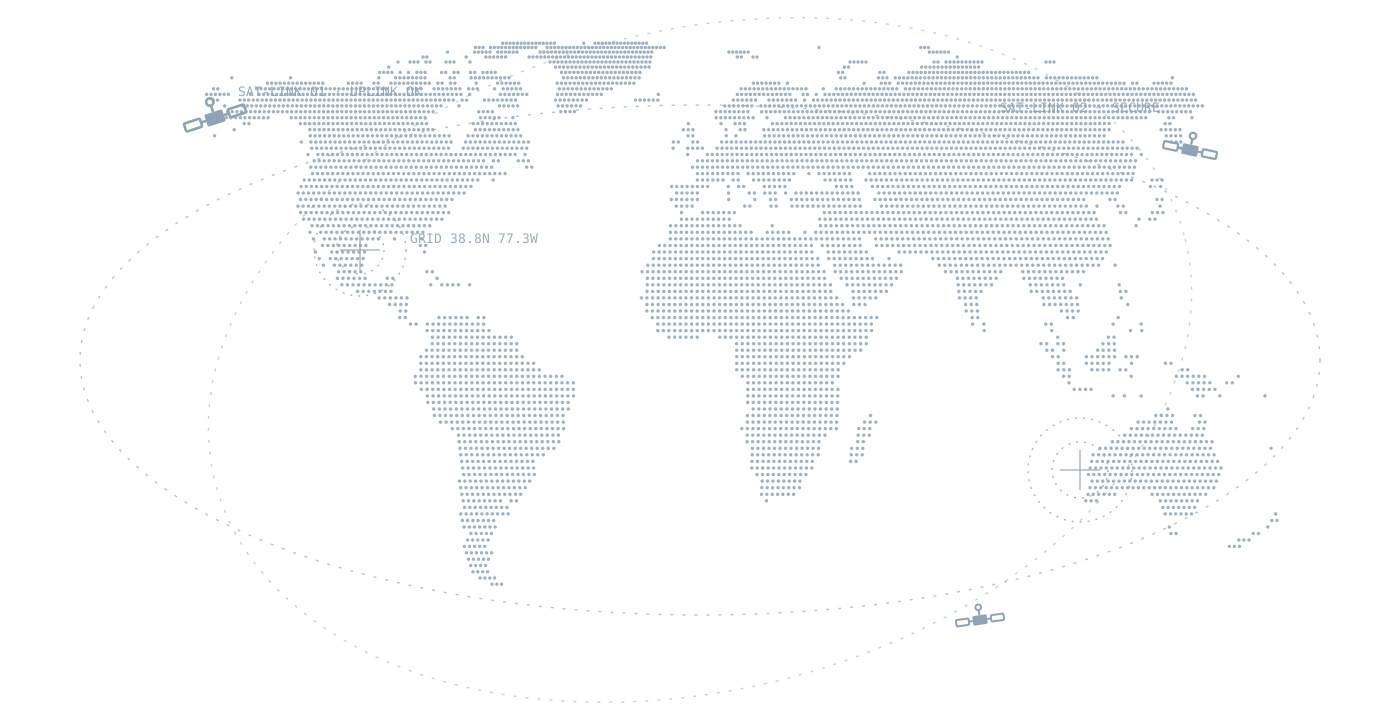
The defense industrial base is not a Beltway phenomenon. It is Huntsville engineers working missile defense, Fort Worth machinists feeding a fighter line, San Diego yards turning ships, Ogden depots sustaining fleets, and research parks from Dayton to Boston converting science into capability. Wherever that work happens, the same two needs follow: IT that runs like a mission system, and CMMC certification when DFARS clauses arrive.
CLOUD2E is headquartered in Northern Virginia and holds CMMC Level 2 as an organization — and our clients do not stop at the Beltway. This guide maps the major American defense hubs we serve, what the contractor base looks like in each, and where to start. Every city below links to a dedicated practice page.
Why defense work concentrates in hub cities
Defense follows installations, program offices, and talent. A depot or a laboratory anchors a mission; primes put facilities near the mission; suppliers ring the primes; and veterans leaving service start companies where they already live. The result is a map of distinct hub economies — each with its own flavor of contracts, data, and compliance pressure. What they share is the paperwork: DFARS 252.204-7012 flows controlled unclassified information obligations down every one of those supply chains, and the CMMC program now attaches a certification requirement to them.
If the acronyms are new, start with who actually needs CMMC and the Level 2 compliance checklist; if budget is the question, the CMMC cost breakdown has real numbers.
The South: rockets, special operations, cyber, and sustainment
Huntsville, Alabama — Redstone Arsenal, the Missile Defense Agency, and Cummings Research Park make Rocket City the densest defense-engineering town in America; its SBIR shops and missile-defense suppliers live on CUI. Tampa supports SOCOM and CENTCOM from MacDill — a services economy of operators-turned-founders. Orlando is the simulation and training capital around Team Orlando and PEO STRI.
Charleston orbits NIWC Atlantic and its C4ISR integrators. Augusta is the Army’s cyber hometown at Fort Eisenhower. In Texas, San Antonio pairs the Air Force cyber enterprise with military medicine, and Fort Worth builds fighters with a supplier web to match. Oklahoma City sustains the fleet from Tinker’s air logistics complex — technical-data CUI at industrial scale.
The West: fleet, space, ranges, and research
San Diego concentrates Pacific Fleet ship repair, NIWC Pacific C4ISR work, and an unmanned-systems boom. Colorado Springs is military space — Peterson, Schriever, NORAD — and the ground-systems firms that run it. Las Vegas supports the Nellis and Creech test-and-training enterprise; it is already a CLOUD2E client region.
Albuquerque runs on research — Kirtland’s AFRL directorates and the national-lab ecosystem. Tucson is missile country with precision suppliers and ITAR everywhere. Ogden sustains fighters and strategic systems from the Hill AFB corridor. Seattle blends airframe-supplier manufacturing with a defense-tech startup wave — another marked client region on our map.
The Midwest and Northeast: production, vehicles, and brainpower
Dayton surrounds Wright-Patterson — AFMC, AFRL, and the acquisition workforce — with research contractors. Warren, Michigan is the Army’s ground-vehicle capital at the Detroit Arsenal; CLOUD2E already serves Michigan businesses. St. Louis pairs fighter production with the NGA’s new western headquarters and a geospatial boom.
Philadelphia works Navy supply and ship-machinery engineering from the Navy Yard. Boston converts research into defense technology along the Hanscom and Route 128 corridor — where fundamental-research boundaries meet CUI obligations.
Virginia and the National Capital Region: the home field
Our headquarters market gets the deepest coverage on the site: Northern Virginia hubs from Fairfax and Arlington to Quantico, Fredericksburg and the Dahlgren corridor, plus Richmond, Charlottesville, and Hampton Roads — Norfolk and Virginia Beach. The full directory lives on the locations page.
What every hub has in common
Strip away the geography and the same program emerges everywhere: inventory the contracts and find the DFARS clauses; map where CUI actually lives; scope the smallest honest enclave; remediate against NIST SP 800-171’s 110 controls; document it in an SSP a stranger could verify; file an honest SPRS score; then face the C3PAO assessment with evidence instead of adrenaline. Manufacturers add segmentation so production floors stay out of scope. Research firms add a defensible fundamental-research boundary. ITAR-carrying firms add US-persons control — usually a
How a national, remote-first model actually works
Modern compliance delivery is remote by nature: control implementation, documentation, evidence collection, and assessor interviews all happen over the wire, and monitoring and helpdesk run 24/7 from our Northern Virginia operations center regardless of your time zone. Onsite days are scheduled where hands belong on hardware — segmentation projects, enclave buildouts, assessment weeks. That is not a compromise model; it is how we already support clients from the Nevada desert to Michigan, Texas, and the Pacific Northwest.
If your city is on this page, the practice page behind it goes deeper on your local ecosystem. If it is not, the model still travels — tell us where you are and what your contracts flow down, and we will map the path from there.